Understanding NIL: Pros and Cons for College Athletes and Universities

The landscape of college athletics has undergone a seismic shift with the introduction of Name, Image, and Likeness (NIL) policies. These rules, which began to take effect in July 2021, allow college athletes to monetize their personal brands through endorsements, sponsorships, and other commercial opportunities. This change marked a significant departure from the traditional amateur model of college sports, sparking both excitement and debate. In this blog post, we’ll explore what NIL is, its implications for college athletes and universities, and the pros and cons of this new era.

What is NIL?
Name, Image, and Likeness (NIL) refers to the legal right of individuals to control and profit from their personal identity. For college athletes, this means they can now earn money from activities such as signing endorsement deals, appearing in advertisements, selling merchandise, or engaging in social media promotions. Before NIL, NCAA rules strictly prohibited athletes from receiving compensation beyond scholarships, citing the preservation of amateurism. However, legal challenges, including high-profile court cases and public pressure, led to the relaxation of these restrictions, allowing athletes to capitalize on their fame while still in school.
The implementation of NIL varies by state, institution, and conference, as there is no uniform federal legislation governing it. Some states have specific NIL laws, while others rely on NCAA guidelines or institutional policies. This patchwork system has created a complex environment for athletes, universities, and stakeholders to navigate.
Pros for College Athletes
1. Financial EmpowermentNIL provides athletes with the opportunity to earn income, often for the first time in their athletic careers. High-profile athletes, such as star quarterbacks or basketball players, can secure lucrative deals with major brands, while lesser-known athletes can still benefit from local endorsements or social media partnerships. This financial boost can help cover living expenses, support families, or build savings for the future.
2. Personal Brand DevelopmentAthletes can now cultivate their personal brands, gaining skills in marketing, networking, and entrepreneurship. These experiences prepare them for post-athletic careers, as they learn to negotiate contracts, manage finances, and engage with fans and sponsors.
3. Incentive to Stay in SchoolWith the ability to earn money, athletes may be more inclined to stay in college rather than turning professional early. This can lead to completing degrees and gaining additional athletic and personal development before entering professional leagues.
4. Recognition of ValueNIL acknowledges the immense value athletes bring to their universities and the sports industry. For years, colleges and the NCAA profited from athletes’ performances through ticket sales, merchandise, and media deals. NIL allows athletes to share in that revenue, addressing long-standing criticisms of exploitation in college sports.
Cons for College Athletes
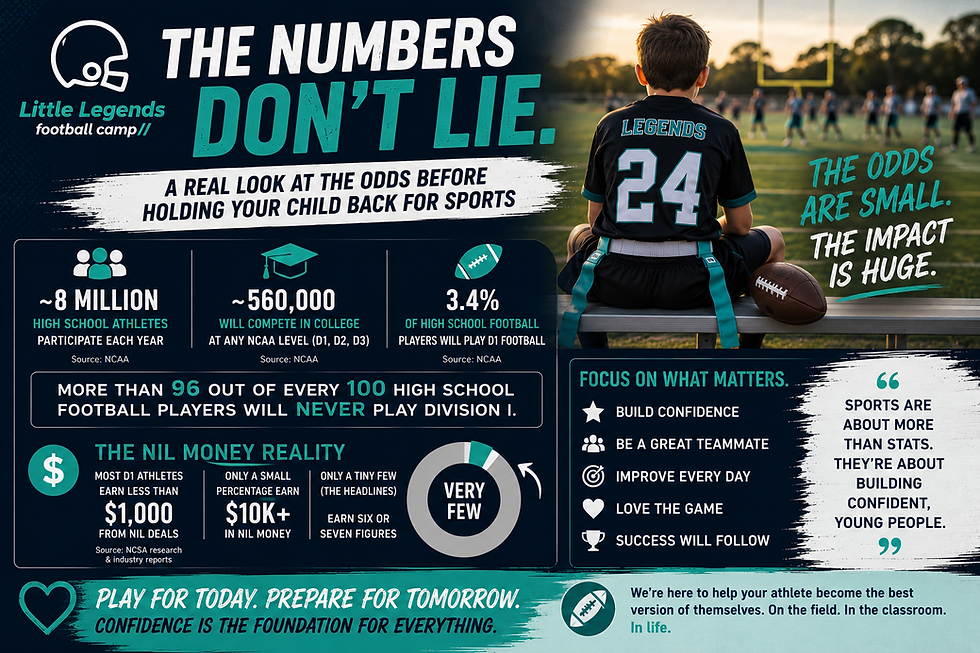
1. Inequity Among AthletesNot all athletes benefit equally from NIL. High-profile players in revenue-generating sports like football and basketball often secure the most lucrative deals, while athletes in less visible sports or at smaller schools may struggle to attract sponsors. This disparity can create tension within teams and widen the gap between “haves” and “have-nots.”
2. Time and Pressure ManagementBalancing academics, athletics, and NIL activities can be overwhelming. Negotiating deals, creating content, and fulfilling sponsorship obligations require significant time and energy, potentially distracting athletes from their studies or training.
3. Risk of ExploitationWhile NIL opens doors, it also exposes athletes to potential exploitation by unscrupulous agents, brands, or advisors. Young athletes, often inexperienced in business matters, may sign unfavorable contracts or fall victim to scams.
4. Tax and Legal ComplexitiesNIL earnings are subject to taxes, and athletes must navigate complex financial and legal landscapes. Without proper guidance, they may face unexpected tax liabilities or legal disputes over contracts.
Pros for Universities
1. Enhanced RecruitingUniversities with strong NIL programs or supportive booster networks can attract top talent by offering robust opportunities for athletes to monetize their brands. Schools in states with favorable NIL laws or those with dedicated NIL collectives (groups that pool funds to facilitate deals) gain a competitive edge in recruiting.
2. Increased EngagementNIL can boost fan engagement and institutional pride. When athletes partner with local businesses or promote university-related brands, it strengthens ties between the school, its athletes, and the community.
3. Alignment with Modern ValuesBy embracing NIL, universities align with societal shifts toward fairness and individual rights. Supporting athletes’ ability to profit from their likeness enhances the institution’s reputation as progressive and athlete-centered.
Cons for Universities
1. Financial DisparitiesWealthier programs with larger budgets and influential boosters can offer more NIL opportunities, creating an uneven playing field. Smaller schools or those in less affluent areas may struggle to compete, exacerbating existing inequities in college sports.
2. Compliance ChallengesThe lack of uniform NIL regulations creates a patchwork of state laws and institutional policies, making compliance difficult. Universities must invest in legal and administrative resources to ensure athletes’ deals align with NCAA rules and state laws, risking penalties for violations.
3. Team Dynamics and MoraleNIL can disrupt team cohesion if some athletes secure high-profile deals while others do not. Coaches and administrators must navigate potential resentment or jealousy within teams, which could affect performance.
4. Pressure on Athletic DepartmentsUniversities face pressure to provide education and support for athletes navigating NIL. This includes offering financial literacy programs, legal guidance, and marketing resources, which can strain budgets and staff.
The Bigger Picture
The introduction of NIL has fundamentally altered college athletics, offering both opportunities and challenges. For athletes, it’s a chance to gain financial independence and build their brands, but it comes with risks of inequity and added pressure. For universities, NIL enhances recruiting and engagement but introduces compliance complexities and competitive imbalances. As the NIL landscape evolves, stakeholders are calling for clearer regulations, possibly through federal legislation, to create a more equitable and streamlined system.
Ultimately, NIL reflects a broader shift toward recognizing the value of college athletes’ contributions. While it’s not without growing pains, it’s a step toward a more equitable model—one that empowers athletes to benefit from their hard-earned fame while challenging universities to adapt to a new era of college sports.
What’s your take on NIL? Are you an athlete or fan with insights to share? Let us know in the comments below!
Note: This blog post is based on information available as of July 22, 2025, and reflects the current state of NIL policies. For the latest updates, check with the NCAA or your institution’s athletic department.